Best Anti-Inflammatory Foods Backed by Science — Your Complete Guide
Discover the best anti-inflammatory foods backed by scientific research. Learn which foods reduce chronic inflammation and how to build an anti-inflammatory diet.
Introduction
Chronic inflammation is increasingly recognized as a root cause of many modern diseases — from heart disease and diabetes to Alzheimer's and cancer. Unlike acute inflammation (your body's helpful response to injury), chronic low-grade inflammation simmers quietly for years, damaging tissues and accelerating aging.
The good news? What you eat profoundly influences inflammation levels. Research consistently shows that certain foods contain powerful anti-inflammatory compounds that can measurably reduce inflammatory markers in your blood.
This guide covers the best anti-inflammatory foods based on published scientific evidence, not marketing hype.
Understanding Chronic Inflammation
What Causes It?
- Poor diet: High in ultra-processed foods, sugar, and refined carbohydrates
- Excess body fat: Visceral (belly) fat is metabolically active, producing inflammatory cytokines
- Sedentary lifestyle: Lack of exercise promotes inflammation
- Chronic stress: Elevates cortisol, which drives inflammation long-term
- Poor sleep: Sleep deprivation increases inflammatory markers within days
- Environmental toxins: Air pollution, pesticides, heavy metals
- Gut dysbiosis: Imbalanced gut bacteria increase intestinal permeability and systemic inflammation
How Is It Measured?
- C-reactive protein (CRP): Most commonly used clinical marker
- IL-6, TNF-α: Pro-inflammatory cytokines
- Fibrinogen: Clotting factor that increases with inflammation
- ESR (erythrocyte sedimentation rate): General inflammation marker
The Top Anti-Inflammatory Foods
1. Fatty Fish
Why it works: Rich in EPA and DHA omega-3 fatty acids, which produce anti-inflammatory resolvins and protectins.
Best choices:
- Wild salmon
- Mackerel
- Sardines
- Herring
- Anchovies
Evidence: A meta-analysis of 68 RCTs found that omega-3 supplementation (equivalent to 2+ servings of fatty fish per week) significantly reduced CRP, IL-6, and TNF-α (Calder, 2017, Annals of Nutrition and Metabolism).
How much: 2-3 servings (200-300g) per week.
2. Extra Virgin Olive Oil (EVOO)
Why it works: Contains oleocanthal, which has ibuprofen-like anti-inflammatory properties, plus hydroxytyrosol and other polyphenols.
Evidence:
- The PREDIMED trial (>7,000 participants) showed Mediterranean diet supplemented with EVOO reduced cardiovascular events by 30%
- EVOO consumption reduces CRP by 10-20% in clinical studies
- Oleocanthal inhibits COX-1 and COX-2 enzymes (same targets as ibuprofen)
How much: 2-4 tablespoons daily as your primary cooking and dressing oil.
Tip: Choose high-polyphenol EVOO — it should taste peppery, which indicates oleocanthal content.
3. Berries
Why they work: Packed with anthocyanins, powerful antioxidant and anti-inflammatory compounds that give berries their color.
Best choices:
- Blueberries (highest anthocyanin content per calorie)
- Strawberries
- Blackberries
- Raspberries
- Cherries (especially tart cherries)
Evidence: A 2022 systematic review of 28 RCTs found berry consumption significantly reduced CRP, IL-6, and TNF-α. Tart cherry juice specifically reduced muscle inflammation and pain after exercise.
How much: 1-2 cups daily.
4. Leafy Green Vegetables
Why they work: Rich in vitamins C, E, K, folate, and plant-based nitrates that reduce oxidative stress and inflammation.
Best choices:
- Spinach
- Kale
- Swiss chard
- Collard greens
- Arugula
Evidence: Higher intake of green leafy vegetables is consistently associated with lower CRP and reduced risk of chronic disease in large cohort studies. Vitamin K specifically inhibits inflammatory cytokine production.
How much: At least 1-2 cups daily.
5. Turmeric (Curcumin)
Why it works: Curcumin, the active compound in turmeric, inhibits NF-κB (a master inflammatory transcription factor) and blocks multiple inflammatory pathways.
Evidence:
- Meta-analysis of 15 RCTs showed curcumin supplementation significantly reduced CRP, IL-6, and TNF-α
- Effects comparable to some anti-inflammatory drugs in certain studies
- Bioavailability is key: Curcumin is poorly absorbed alone; take with black pepper (piperine) which increases absorption by 2,000%
How much: 500-1,000mg curcumin supplement with piperine, or liberal use of turmeric in cooking (less potent but still beneficial).
6. Nuts
Why they work: Rich in healthy fats, fiber, vitamin E, and polyphenols. Walnuts are particularly high in ALA omega-3s.
Best choices:
- Walnuts (highest omega-3 content)
- Almonds (high vitamin E)
- Pistachios
- Brazil nuts (selenium source)
- Pecans
Evidence: The PREDIMED trial showed 30g/day of mixed nuts reduced cardiovascular events. Regular nut consumption is consistently linked to lower CRP and reduced all-cause mortality.
How much: A small handful (30g) daily.
7. Green Tea
Why it works: Rich in EGCG (epigallocatechin gallate), a catechin that inhibits inflammatory signaling pathways and reduces oxidative stress.
Evidence: Meta-analysis of 11 RCTs showed green tea consumption reduced CRP significantly. EGCG also modulates the gut microbiome favorably.
How much: 3-5 cups daily, or 250-500mg EGCG supplement.
8. Tomatoes
Why they work: Rich in lycopene, a powerful antioxidant that reduces inflammation. Cooking increases lycopene availability.
Evidence: Higher lycopene intake is associated with lower CRP and reduced cardiovascular and cancer risk in large cohort studies.
How much: Cooked tomatoes (sauce, paste, roasted) 3-4 times per week.
9. Dark Chocolate and Cocoa
Why it works: Contains flavanols that reduce inflammation and improve endothelial function.
Evidence: The COSMOS trial (2022) showed cocoa extract supplementation reduced cardiovascular events. Regular dark chocolate consumption is linked to lower CRP.
How much: 20-30g of dark chocolate (≥70% cocoa) daily, or cocoa powder in smoothies.
10. Ginger
Why it works: Contains gingerols and shogaols that inhibit prostaglandin and leukotriene synthesis.
Evidence: Meta-analyses show ginger reduces CRP, improves muscle pain after exercise, and may help with osteoarthritis pain.
How much: 1-2g fresh or powdered ginger daily.
Foods That Promote Inflammation (Avoid or Minimize)
| Food | Why It's Inflammatory |
|---|---|
| Ultra-processed foods | Emulsifiers, additives damage gut barrier |
| Refined sugar | Spikes blood sugar, promotes AGEs formation |
| Refined carbohydrates | White bread, pastries — rapid glucose/insulin spikes |
| Trans fats | Margarine, fried foods — directly promote inflammation |
| Excess omega-6 oils | Soybean, corn, sunflower oil (in excess) shift balance toward pro-inflammatory eicosanoids |
| Processed meats | Hot dogs, bacon — contain AGEs and nitrosamines |
| Excessive alcohol | >2 drinks/day increases inflammatory markers |
Building an Anti-Inflammatory Diet
The Mediterranean Diet Model
The Mediterranean diet is the most studied anti-inflammatory dietary pattern:
- Abundant: Vegetables, fruits, whole grains, legumes, nuts, olive oil
- Moderate: Fish, poultry, dairy (yogurt, cheese), red wine
- Limited: Red meat, processed foods, added sugars
Sample Anti-Inflammatory Day
Breakfast: Greek yogurt with blueberries, walnuts, and a drizzle of honey; green tea
Lunch: Mixed green salad with grilled salmon, cherry tomatoes, avocado, and EVOO dressing
Snack: Handful of almonds and an apple
Dinner: Turmeric-spiced lentil soup with spinach, whole grain bread dipped in EVOO
Evening: Small square of dark chocolate, herbal tea
Key Principles
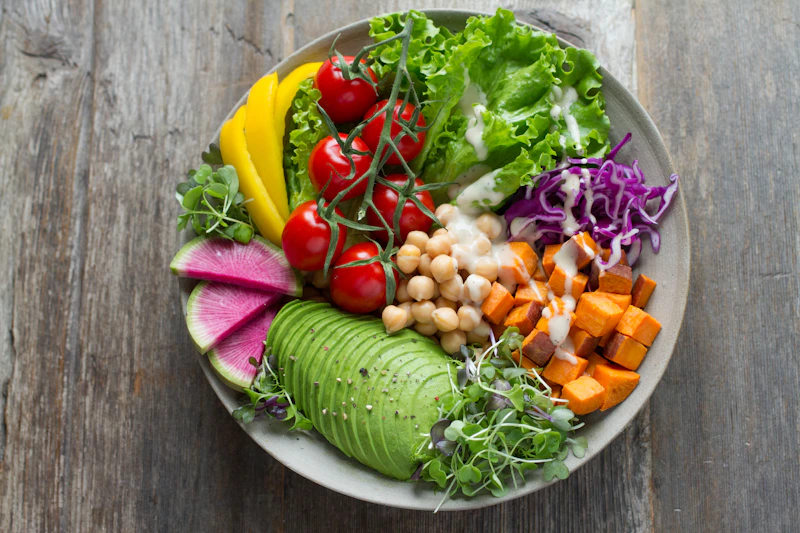
- Eat the rainbow: Different colored plants contain different anti-inflammatory compounds
- Choose whole foods over supplements when possible
- Emphasize omega-3 to omega-6 ratio: Aim for 1:4 or better (typical Western diet is 1:15-20)
- Cook with EVOO and spices: Double anti-inflammatory benefit
- Eat fermented foods: Support gut microbiome health
- Minimize ultra-processed food: The single most impactful change for most people
Supplements Worth Considering
While food should be your primary anti-inflammatory strategy, some supplements have strong evidence:
- Fish oil (EPA+DHA): 1-2g/day for those not eating fish regularly
- Curcumin: 500-1,000mg/day with piperine
- Vitamin D: 1,000-2,000 IU/day (especially if deficient)
- Magnesium: 200-400mg/day (glycinate or citrate)
- Probiotics: Specific strains shown to reduce inflammation
Conclusion
Chronic inflammation is modifiable through diet, and the evidence is strong enough to make specific recommendations. Focus on fatty fish, extra virgin olive oil, berries, leafy greens, nuts, and spices like turmeric and ginger. Minimize ultra-processed foods, refined sugars, and excess omega-6 oils.
You don't need exotic superfoods or expensive supplements. The most powerful anti-inflammatory diet is simply one built around whole, minimally processed, plant-rich foods — the same diet that reduces risk of virtually every chronic disease.
Start with one change this week. Your future self will thank you.